

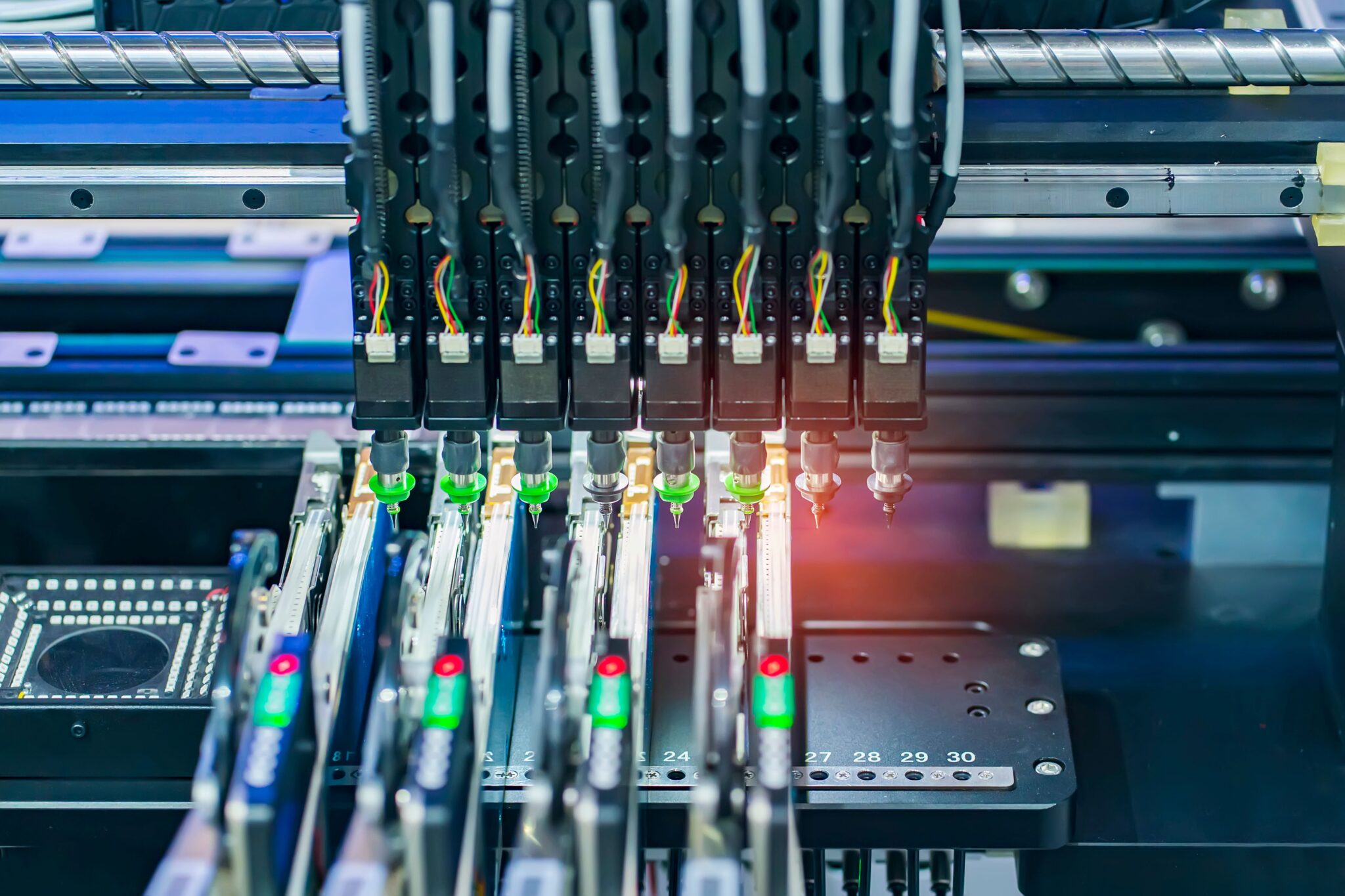
Trying to find a good CEM (contract electronics manufacturer) is difficult. Performance varies and it is difficult for a newcomer to the manufacture of PCBAs to determine the right benchmarks. This article has been written to assist.
What are the right things to specify for a CEM?
If it is accepted that the majority of modern sophisticated products contain electronics, the following points justify investment and focus on ESD by Boxbuild/Assembly factories:
- Most assembly houses that don’t also manufacture the electronics have inadequate protection from ESD.
- Market sectors such as medical, aeronautical, and military demand such standards. If assemblers wish tap into this market or win it from other suppliers, they must up the average standard of ESD protection probably held.
There is a great opportunity for assembly and boxbuild factories to improve training and facilities to open the door to winning contracts in the automotive, aeronautical, military and medical sectors.
- ESD problems are invisible and insidious. They can’t be seen and often don’t manifest themselves until long after assembly. The result can be clients that are dissatisfied and assemblers baffled at complaints – everything fine when it left the factory.
- CEM (contract electronics manufacturers) are mostly hopelessly wide of the mark when it comes to final product assembly. Astute, professional assembly houses can easily show them a clean pair of heels.
What does the CEM do with your inputs/specification?
Solving problems using electronic designs is not just about design. The electronics must be manufactured, which can bring its own challenges:
- CEMs (contract electronics manufacturers) can use unfamiliar terminology and assume it is universally understood.
- Assessing the standard of quality of a CEM isn’t straightforward. Unlike most industries, CEMs’ verification of their output is predominantly based on visual inspection. The PCBAs aren’t normally tested before shipment; they are visually inspected (automated optical inspection – AOI is used, but it still isn’t testing, it’s visual inspection).
- CEMs suffer more than any other industry from disruption of component supply. Some are very good at handling this – others less so.
Electronics Machine provides through its partners all the major types of PCB manufacture:
- Multilayer – above 10 layers is not uncommon.
- PCBs for high frequency applications (HDI, RF, Rogers, GHz applications).
- Flexi and flexi-rigid PCB manufacture.
- Metal core PCBs for power and heat dissipation, e.g., Aluminium PCBs.