

Linking Lighting to Circadian Rhythm using Edge AI via DMX
DMX and DALI are serial control protocols that can be used for the control of anything, but they find their strongest applications in lighting.
The EM has experience of implementing lighting control systems (see Case Study: Lighting Article) and has developed products that mitigate the adverse effects of harsh office and factory lighting, which can have little or no natural light, on Circadian Rhythm. Feel free to Contact Us if you have a need to develop or modify lighting in accordance with the requirements of Circadian systems.
What is Circadian Rhythm?
Our bodies have a natural rhythm that is controlled via hormones (melatonin and cortisol). These hormones regulate our activity and sleep patterns, and they are designed to fall in with natural phenomena like daylight hours and temperatures that are normal for the time of year. All remains fine and dandy as long these remain in balance, but modern life disrupts these cycles with enforced environments that lead to sub-optimal health. This rhythm of hormonal activity in response to environment is known as the Circadian Rhythm.
What modern lifestyles and working conditions affect Circadian Rhythm?
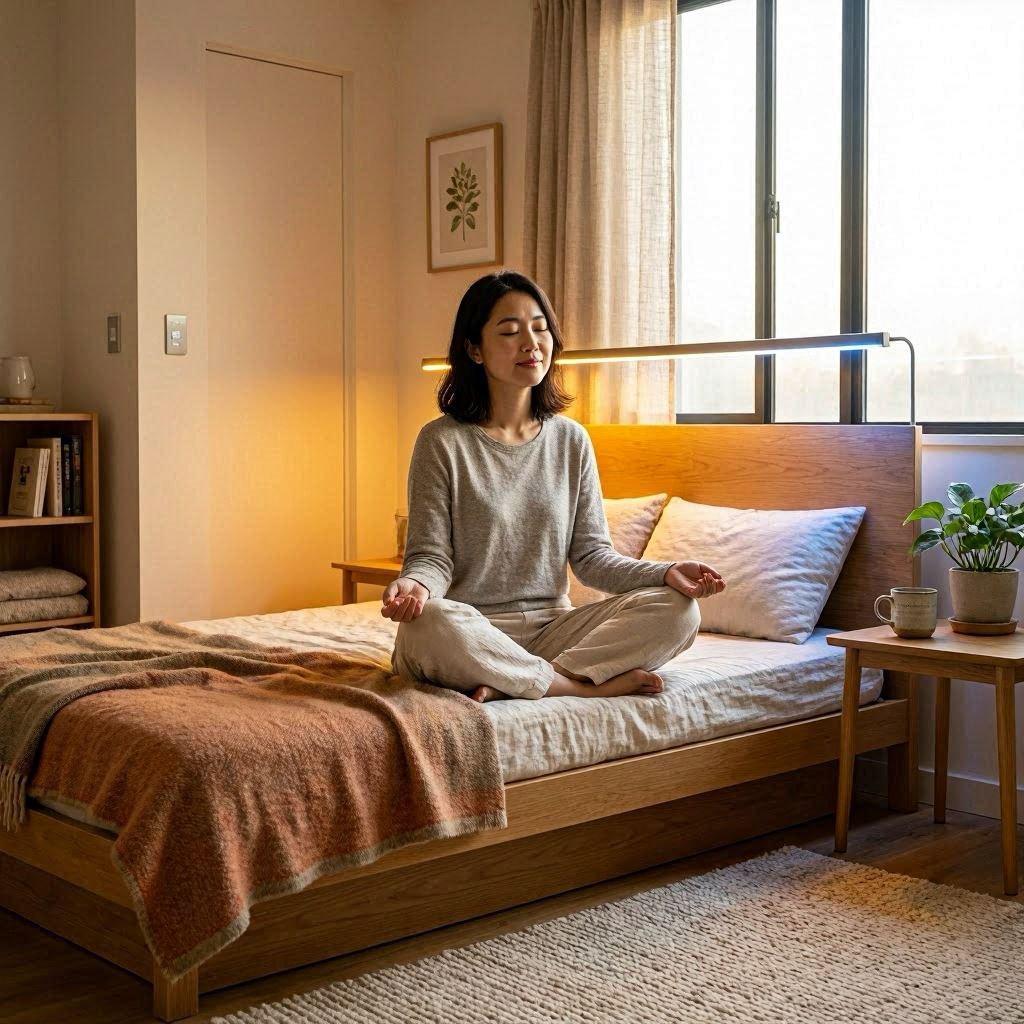
There are many factors that influence Circadian Rhythm, but the one that does and is pertinent to this article is lighting. The white light that we see all day and largely believe is the same all day, isn’t. The natural cycle for white light is cool (blueish) in the morning to promote activity and warm (reddish) in the evening to promote relaxation and rest. In a factory for example, harsh neon lighting is blueish all day (cool). This forces humans subjected to into an unnatural lighting cycle, which disrupts still further as people leave the pseudo-lit environment and are jolted into the natural light cycle outside.
How can technology provide lighting that is sympathetic with the Circadian Rhythm?
LED lighting provides the answer because it allows for design of single light units with a multitude of LEDs. This allows different colour temperature LEDs to be put in to the same light unit, and control systems can simply switch on the lights that are most appropriate for the time. Numerous products have come on the market to cover this, but what hasn’t really happened is the communication (electronic) between lighting systems and individual humans – we are all different. Wearable monitors do exist but they are rather limited.
If developing a more holistic Circadian monitoring system is of interest don’t hesitate to Contact Us. EM can and would be delighted to develop a more holistic, wearable, Circadian monitoring system than now exists.