

Challenge:
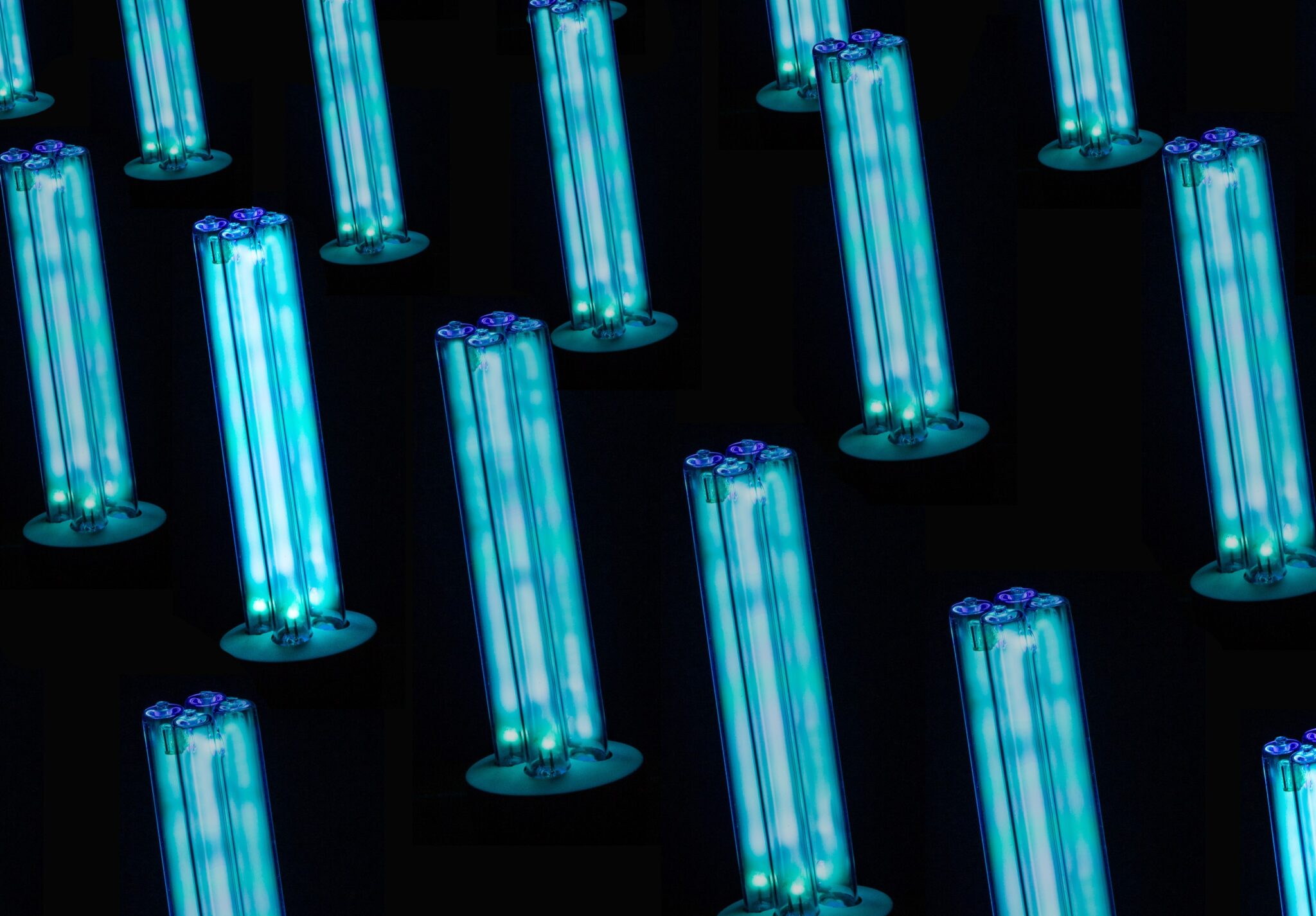
A little-known fact is that the air in toilets is cleansed using ultra-violet light. In fact, it uses wavelengths that don’t occur naturally (UVC) in the atmosphere – obliterated in the upper atmosphere. UVC destroys DNA – especially microbes. It has been used for decades in toilets, but the issue is that the mercury bulbs that radiate it stop being effective after a certain time. Not only do the toilets start failing to have germs destroyed, but they also smell.
The problem Biozone faces is that its UVC cleaning units are deployed by large distributors that are not keen to pay to have expired mercury bulbs replaced, and Biozone has no idea when or where units are fitted. The result is customer complaints for issues beyond Biozone’s control.
Solution:
A feasibility study was undertaken for Biozone that clearly showed that the distribution, location and use of units could be managed via an IoT solution. The project didn’t move beyond feasibility, but it was certainly feasible and well within the EM’s capability.
Skills:
- Feasibility and research
- Physics of UVC
- Market research
Journey:
The journey of this project was uneventful because there were no points upon which feasibility was challenged.
Feel free to contact us if you have questions about this article or anything else (link below).