


Obviously, some development budgets are better managed than others, but some very human characteristics can come into play that don’t help with the control of development budgets.
Begging the indulgence of those that run tight and organised budgets, let’s paint a picture. Everyone (developer/entrepreneur and contractors) is happy at the onset of a project. The contractors have purchase orders and the developer will be excited by the take-off of the project. The project starts and the budget starts to be defrayed. Everything is fine until the budget starts to deplete. Questions get asked, particularly if there is variance from projections. We all know the demanding process that follows, so I don’t need to describe it.
If the scenario above rings bells and you would like to avoid the gut wrenching stress of an out of control budget, you should read on.
How Should the Development be managed?
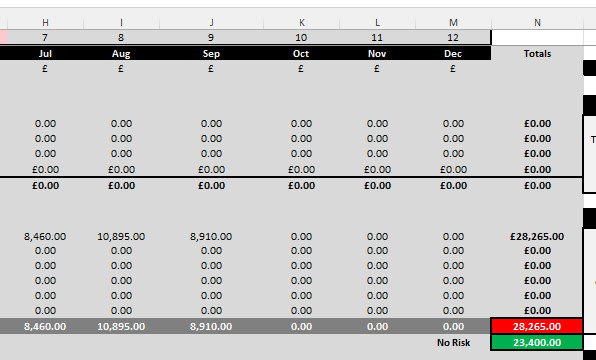
The first priority is to make sure there is regular review of the financial situation. The weekly progress meeting, that all projects should have, is a good venue for review because all stakeholders should be represented.
A rule of thumb is to devote as much time to budget management as is devoted to timescales.
The following bullet points give guidelines:
- Each discipline (electronics, software, product design, operations) must be made to justify variance.
- Above or below budget (any variance) is a warning sign. Below budget may indicate targets expected to be complete in the budget are not.
- As can be seen in the budget snippet above, projected monthly invoicing should be clear and published.
- At the end of every month invoices should be approved with justified variances.
- There should be a policy of ‘no shocks’. Immediately it becomes evident there will be variance, it must be reported. Information like this should not have to wait until the next progress meeting.
Should you have questions or wish to learn more about budgeting, please feel free to contact us.